
Pricing and initial effort
Long lasting harvest duration and plentiful food for decades
The cost of building a garden can quickly add up. I’m here to help understand pros and cons of cost and effort. Our prices vary between $50-85/hr, depending on complexity and specification. Our primary goal is to get you gardening – we do our best to make it price-wise possible for you.
Consider a small garden box or a raised bed. You can order DIY sets at your local home improvement store and it can get very expensive really fast. Next, you’ll need time and tools to put it all together, and then realize you need to buy inlets and drainage solutions (which didn’t come with it). After that, you’ll need to know which combination of dirt and mulch layers will be right for your plants nutritional and long-term growth needs, etc.
Our easier solution: We can build it custom by buying the material you want and or using what you have around to save costs. We can help to identify potential garden materials on your property like mulch, soil amendments, drainage materials and landscaping. There is always a mix between muscle to build it and knowledge to do it right.
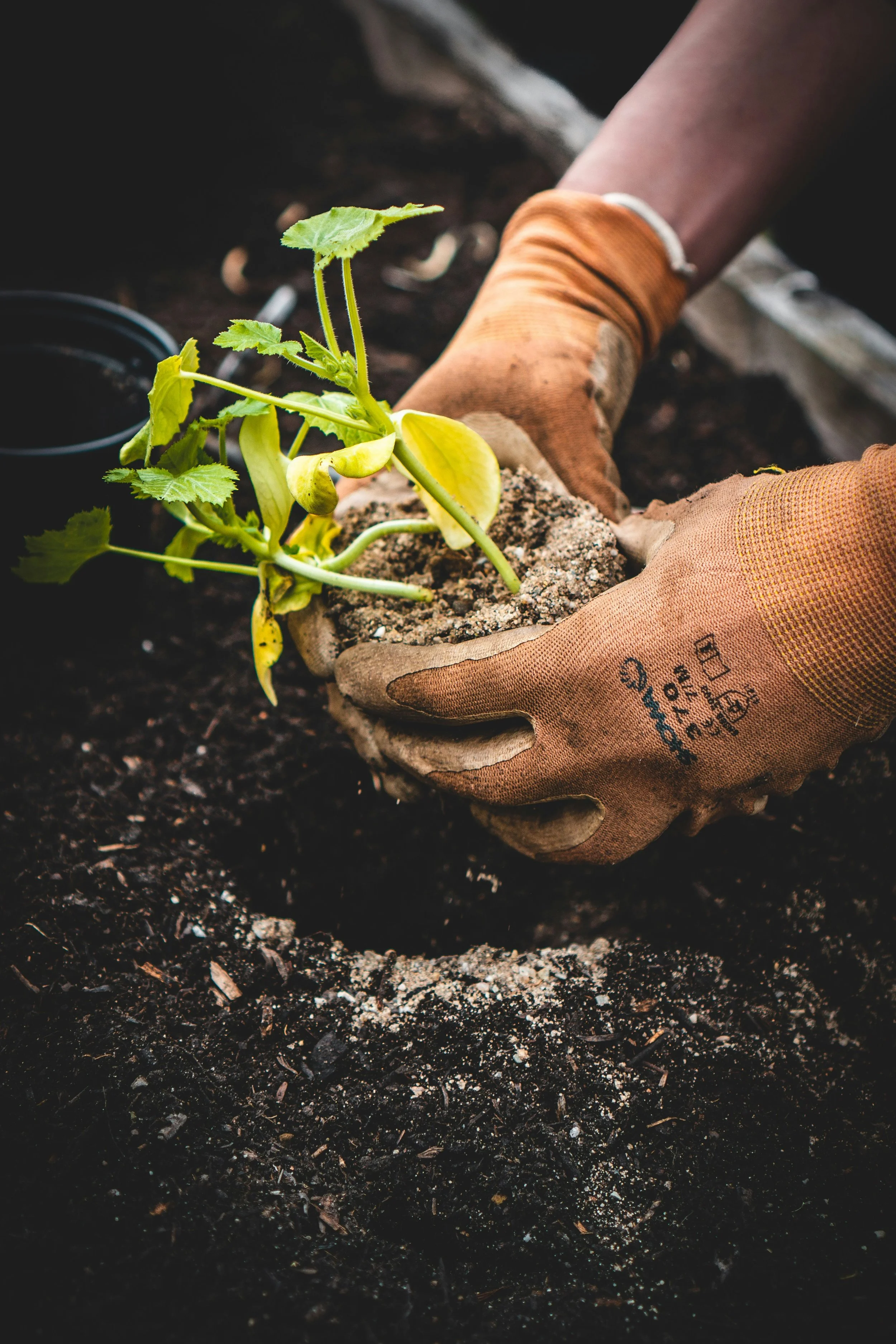
Pricing Examples:
Fruit Tree
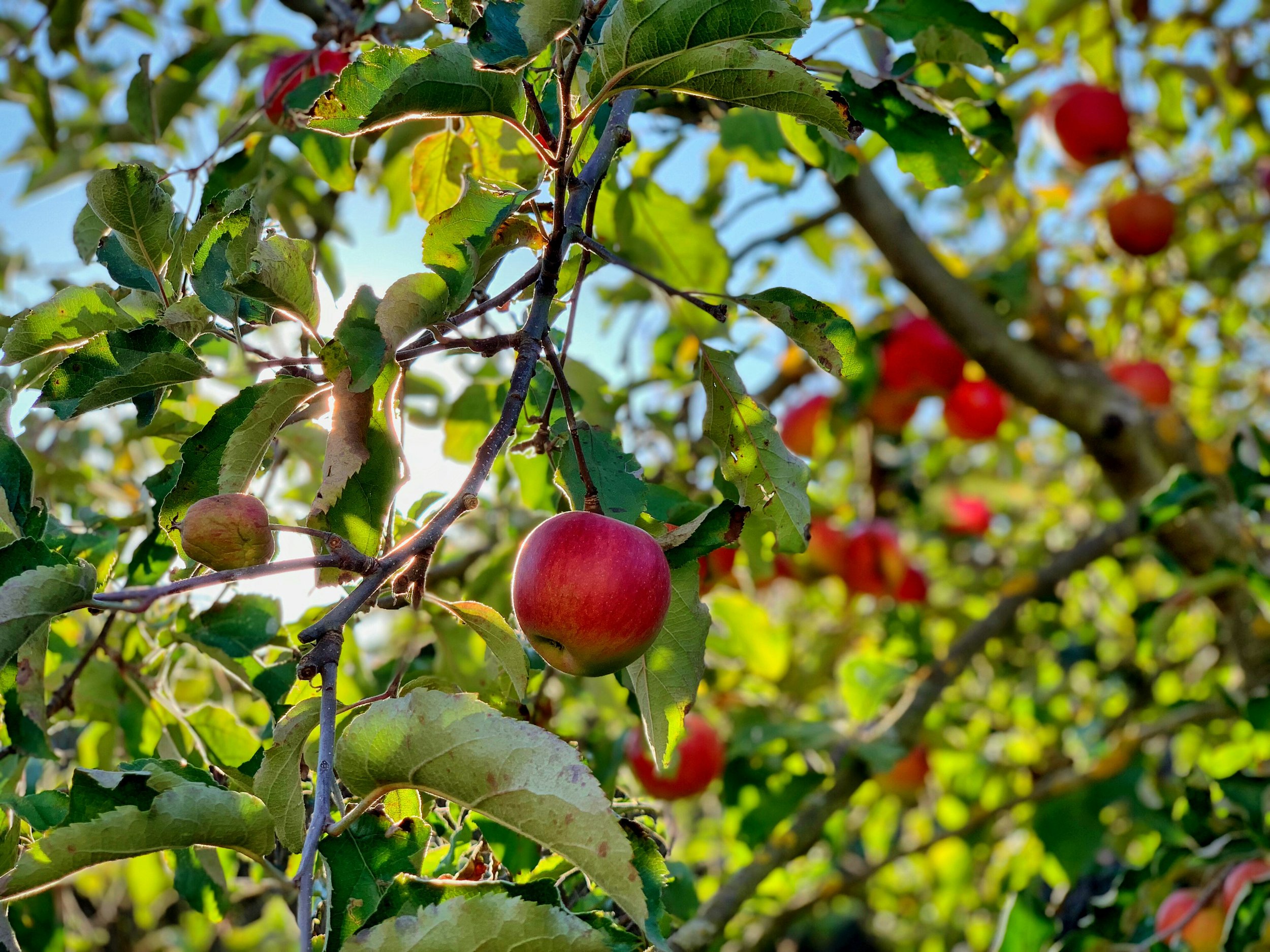
Typically, planting a tree is about 1.5-2 hr of labor (about $100/tree). Trees range from $40-100, depending on type.
We will dig a hole that is about 3 feet wide and 2 feet deep, create a ring, add 2 large bags of soil, 1 bag of mulch, 2-3 stakes and rope to stabilize the tree.
In total, you are looking at about $150-200 (labor+materials) + the costs for the tree.
Berry Bushes
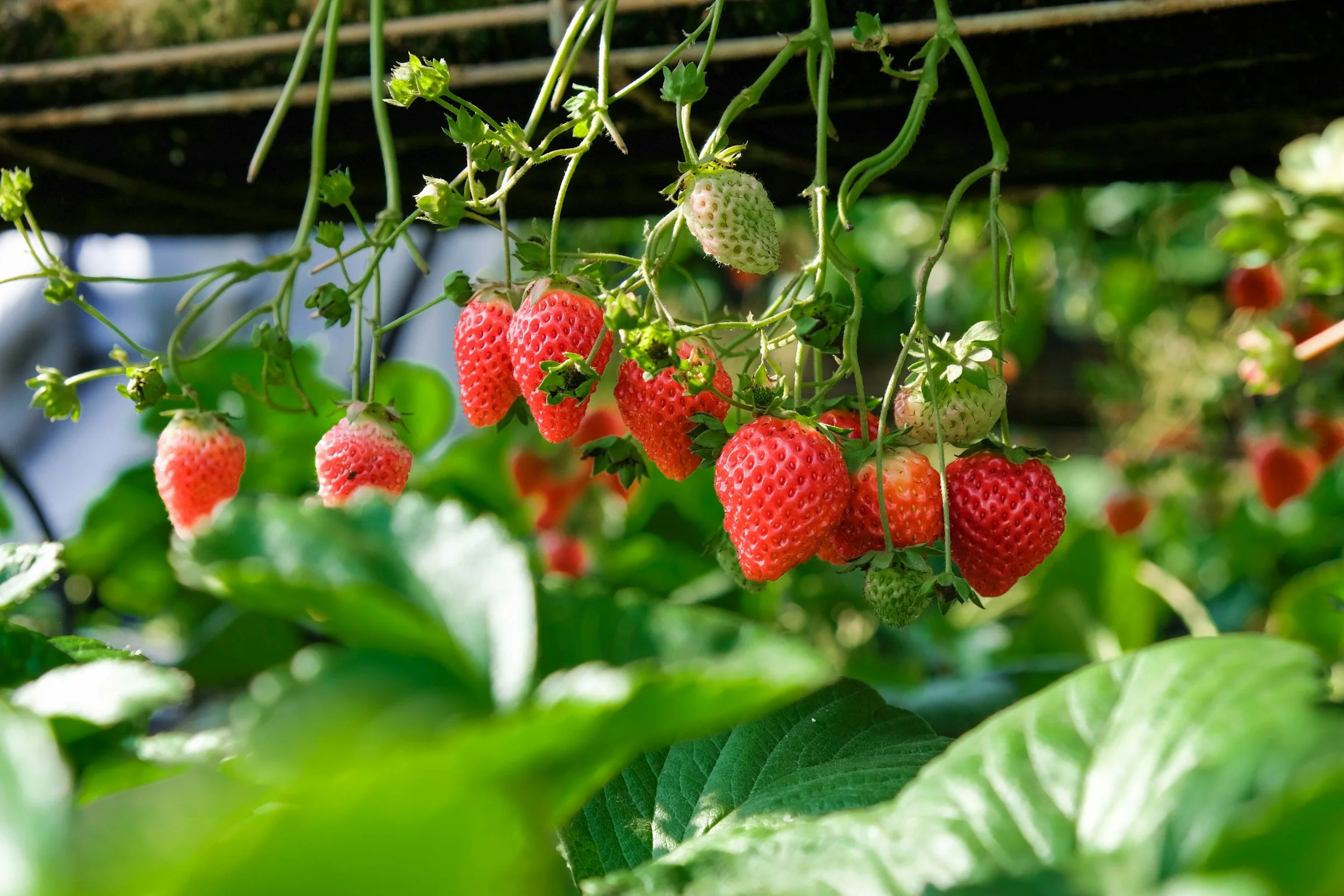
Typically, planting 3 berry bushes is 1.5-2 hr of labor (about $100). Bushes range from $15-50, depending on type.
We will dig 3 appropriate holes, add 2 bags of rich soil, soil additives, 2 bags of mulch, maybe a trellis.
In total, you are looking at about $150-180 (labor+materials) + the cost for the 3 berry bushes.
Planting Box
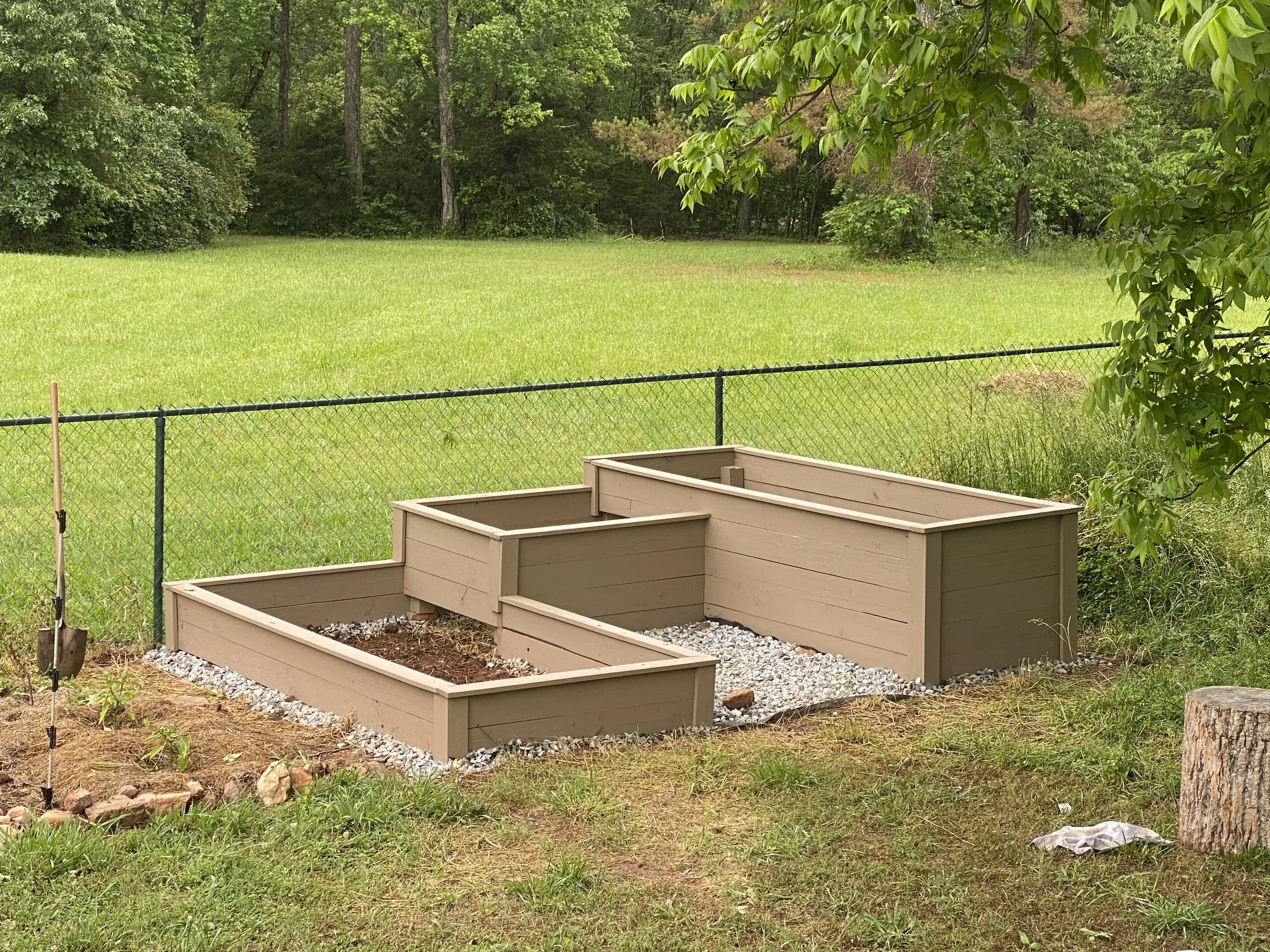
It will depend on the size and materials you prefer.
For smaller boxes of about 50”x 30” inches we recommend a pre-manufactured from your local store. These are around $100-150 for the box materials. We can help you build this or you can construct yourself.
For boxes that are larger or more complex with multiple levels; the costs can increase dramatically when ordering pre-designed kits. However, the big advantage for larger boxes is their durability. Once it’s set up, you can use the soil and setup for at least 10-15 years.
If you want to save on expenses, we can build by re-using your own materials or materials we bring. This will reduce the cost by about 30-50%.
Labor is based on agreed upon plan.
Constructing planter can vary between 2 hours and a long full day of labor.
Install drainage system
Install inline protection
Add layered tailored filling material based on your garden
Note: filling material is often underestimated— the bigger the box, the more it needs to be filled. Boxes (especially medium and large) need different layers of different materials for best long-term growth. Professional advice is highly recommended.
Initial effort for a garden can be overwhelming.
So, my advice is to start small, try different things and see what fits you best. First, add a mulberry bush and some strawberries to your garden, or maybe try a small apple tree and some herbs you will use later for cooking. start with a smaller garden bed and grow from there.
Think about it this way: once your garden is set up, you will have joy and food for many years to come, often decades.
Did you know that:
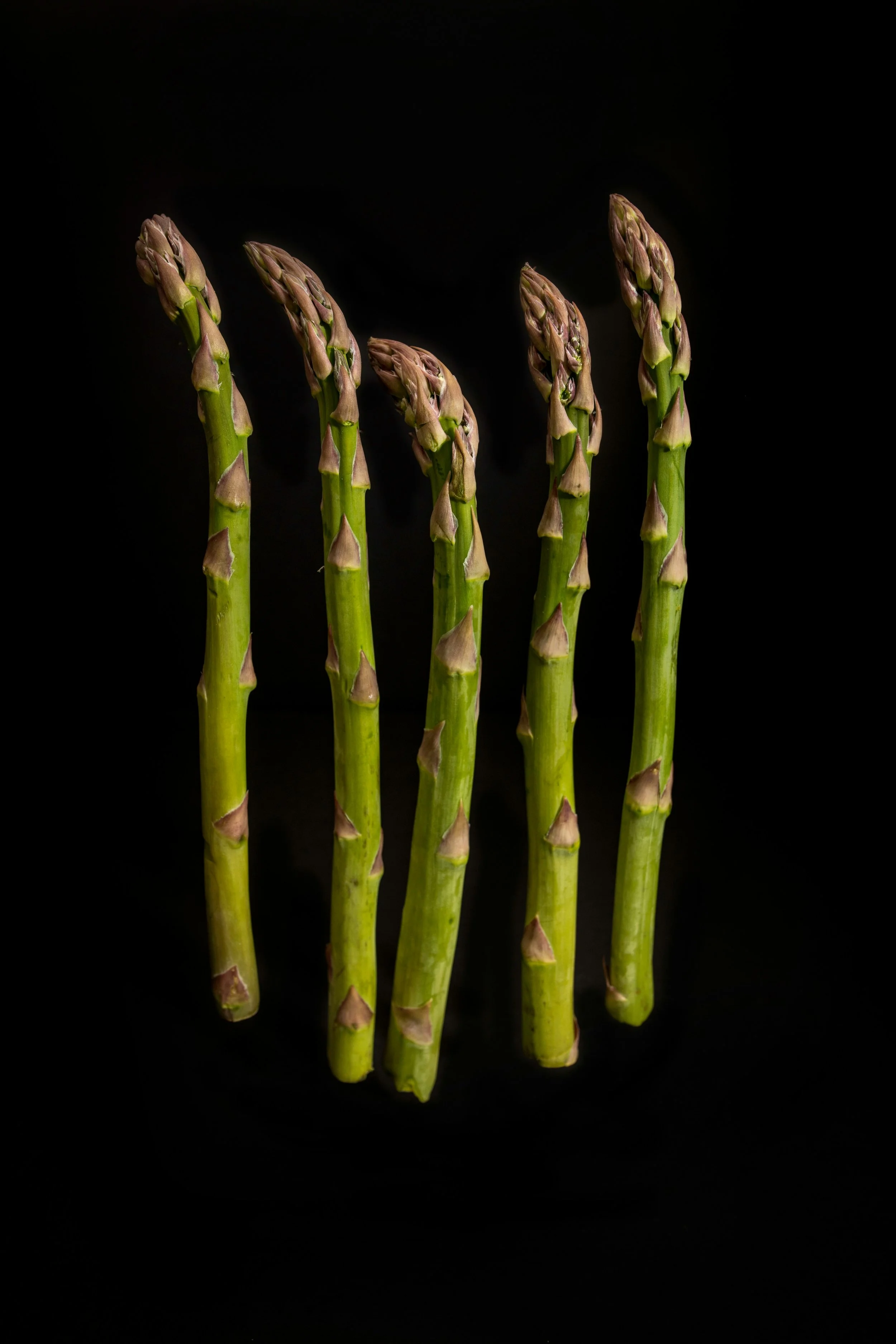
Asparagus is a fast-growing, nutrient-dense perennial that can grow up to 10 inches in just 24h and produce for 15-20 years, after 3 years of establishing.
White, green and purple asparagus are all the same species (asparagus officinalis). The color difference comes from growing methods and genetics. Dirt is piled over the spears to keep them in darkness and the plant never produces chlorophyll and stays white. Whereas purple asparagus is a genetic variety, developed in Italy. The violet comes from high level of ‘anthocyanins’, an antioxidant pigment found in blue berries and red cabbage. Its only on the outside – so snap it and you will see the green or white inside. Because anthocyanins are sensitive to heat – purple asparagus will turn green when cooked.
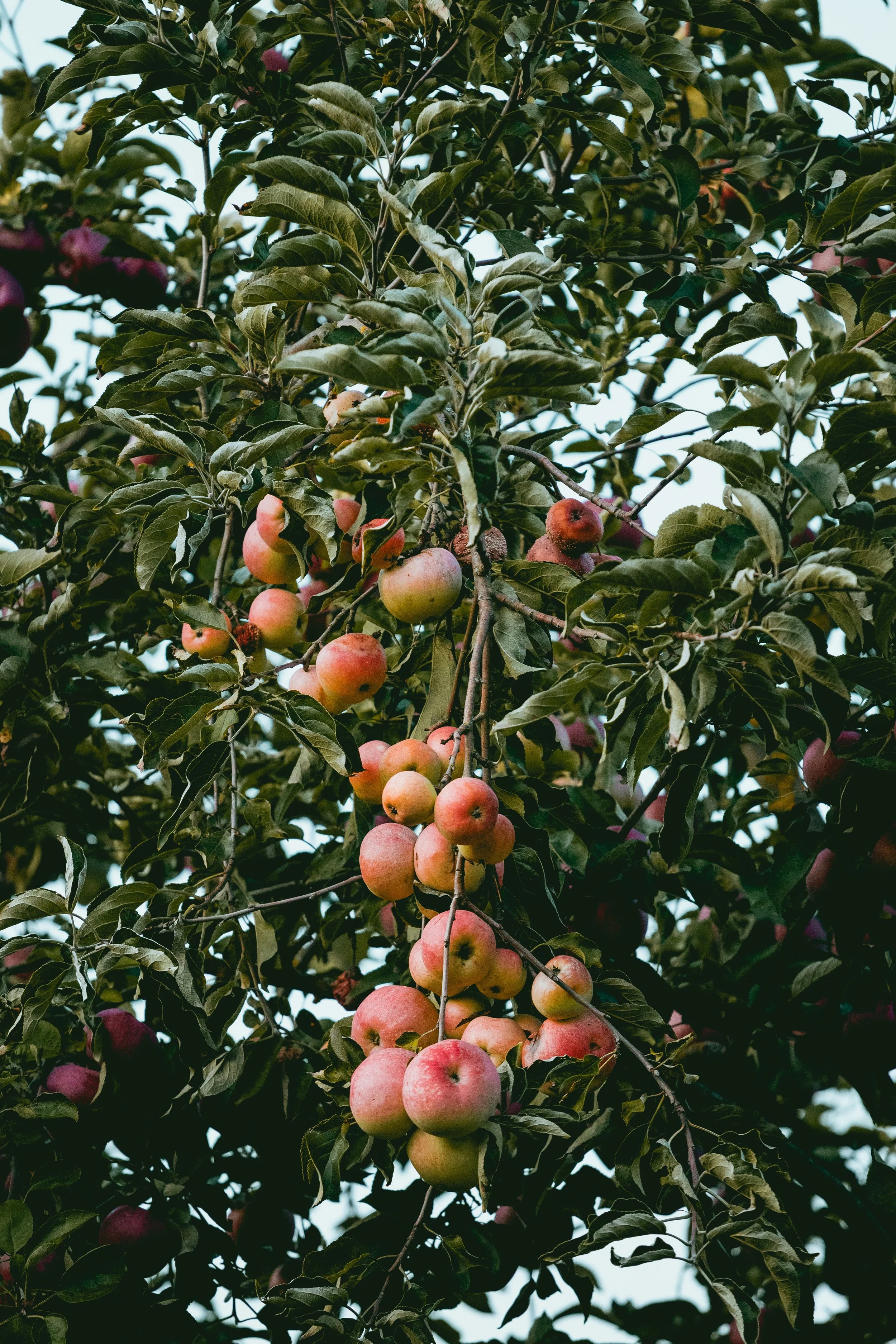
Fruit trees not only give you nice harvest, they also spend shade and flowering lovely in spring. Invest the effort of planting it once, and it will produce for many decades and bear fruits after only 3-4 years of planting a nursery tree.
Many fruit trees, like apple, cherries, and peaches actually need the cold to produce fruit. They require a specific number of “chill hours” (temperature below 45F) during winter to trigger a hormone that initiates spring blooming. Most fruit trees are grafted, meaning a branch from a high-quality fruit variety (the scion) is physically joined to the roots of a hardier tree (the rootstock). Not all trees can make fruits alone (self-fruitful) and require a “pollinizer” – a second tree of a different variety nearby – to swap pollen and produce a plentiful harvest.
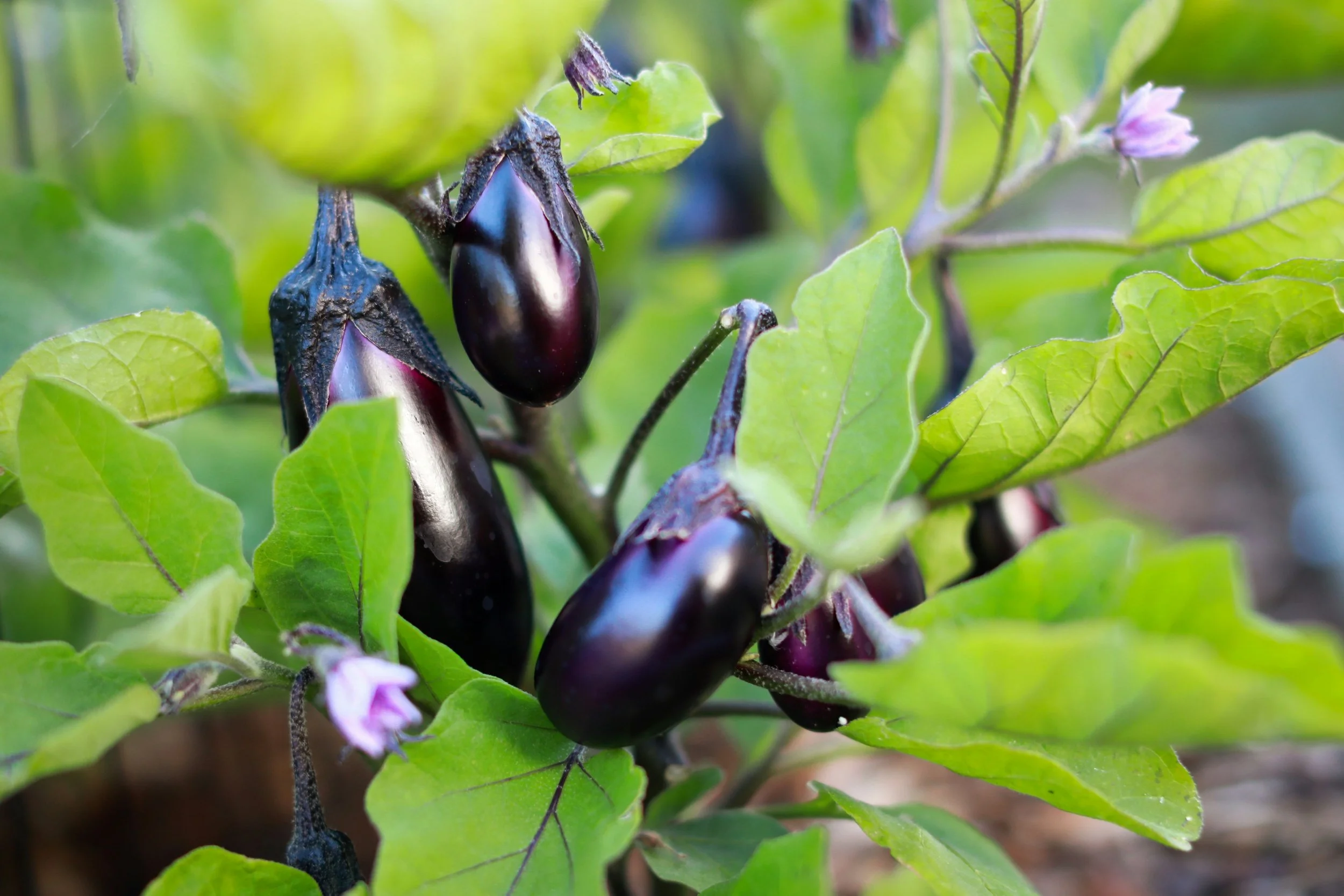
Eggplant, tomato and peppers etc. are botanically classified as a fruit because it develops from the plants flower and contains seeds. However, the ‘vegetable’ label comes from how we use it – savory and part of a main meal. It’s not just a kitchen role, it’s even a legal one: The supreme court ruling from 1893, officially classified tomato’s etc as vegetables for trade and tax purposes.
As the saying goes: “Knowledge is knowing a tomato is a fruit, wisdom is not putting it in a fruit salad”.